Comparative Analysis of Granular and Pellet Activated carbon

Activated carbon, with its excellent adsorption capacity, plays a vital role in numerous industrial sectors such as water treatment, air purification and food processing. However, the different physical forms of activated carbon, mainly granular and columnar, present specific characteristics in terms of performance and application.
This article will conduct a detailed comparative analysis between granular and columnar activated carbon to help you make informed decisions based on your specific industrial needs.
What Is Granular Activated Carbon?
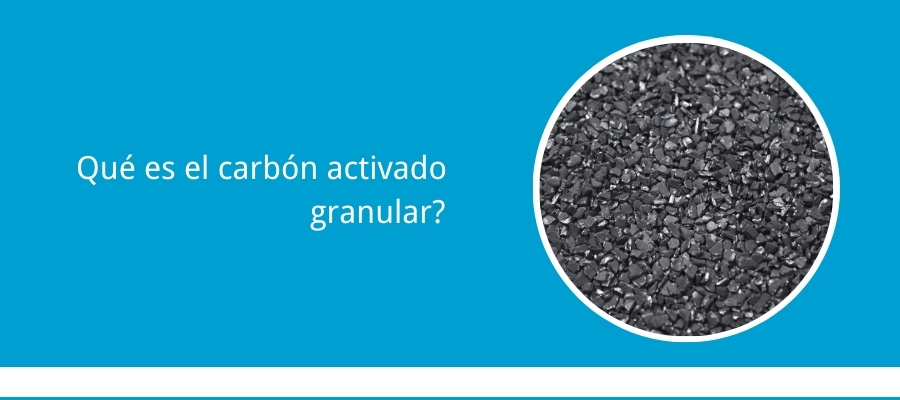
The Granular activated carbon It is a porous adsorbent manufactured from raw materials such as coconut shell, bituminous coal or anthracite, subjected to carbonization and activation processes at high temperatures, which develops a highly developed porous structure and a large effective adsorption surface.
The porous structure of granular activated carbon is composed of micropores, mesopores and macropores, which allows it to efficiently adsorb various organic and inorganic contaminants in both the liquid and gas phases. Furthermore, this type of activated carbon, due to its uniform particle size and low flow resistance, is especially suitable for liquid phase treatment applications with high flow rates.
Production method

The production process of granular activated carbon mainly includes the following steps:
- Selection and pretreatment of raw materials: High-carbon materials such as coconut shell, bituminous coal, anthracite or wood are selected, crushed to appropriate size, and subjected to washing, drying and other pretreatments to remove impurities and increase the purity of the material.
- Carbonization process: The pretreated material is placed in a carbonization oven at temperatures between 600-900°C to perform a dry distillation, separating the volatile substances and forming an initial carbonized structure.
- Activation process: The carbonized material is transferred to an activation furnace where, at temperatures between 800-1100°C, steam, water vapor or carbon dioxide are introduced as activating agents to open and expand the porous structure, forming a developed pore network.
- Posttreatment and screening: Activated carbon is cooled, washed with water, neutralized, dried, and sieved to the required particle size to meet the needs of specific industrial applications.
Advantages
Granular activated carbon is a common adsorbent with many unique advantages:
- Developed porous structure with large specific surface area
- Low flow resistance, ideal for liquid phase treatment
- High mechanical and abrasion resistance
- Excellent regeneration capacity, allowing multiple cycles of use
Fields of application
Granular activated carbon has a developed pore structure including micropores, mesopores and macropores. This diversified pore size distribution allows it to effectively capture various contaminants, with wide and diverse applications:
- Drinking water treatment to eliminate odors, foreign flavors, residual chlorine and organic micropollutants
- Industrial wastewater purification, especially to remove dissolved organic compounds
- Recovery of precious metals such as gold and silver in leaching processes
- Odor control in industrial gases and elimination of volatile organic compounds (VOCs)
- Purification in the Food and Beverage Industry, including decolorization of syrups, wines and fats
- Process water treatment in pharmaceutical and electronic industries
- Medical applications and aquarium purification
What Is Activated carbon Pellet?

The Pelletized Activated Carbon It is generally manufactured from charcoal, coconut shell, wood and other materials, which after being crushed are mixed with suitable binders, molded by extrusion and subjected to a strict high-temperature activation process.
Due to its uniform cylindrical shape, pellet activated carbon has greater mechanical strength and better abrasion resistance, effectively reducing dust generation and facilitating transportation, filling and regeneration.
Production Method

The pellet activated carbon production process mainly includes the following steps:
- Raw material preparation: Selection of carbon-rich materials such as anthracite or coconut shell, crushing, sieving and drying to remove impurities and excess moisture.
- Mixing and molding: Grinding of the material, addition of binders (such as coal pitch, starch, etc.) and water, homogeneous mixing and extrusion into cylindrical bars using a molding machine.
- Carbonization: Air drying of the bars and placement in a carbonization oven at 600-800°C to transform the material into fixed carbon and form an initial porous structure.
- Activation: Placing the carbonized material in an activation oven, where it is activated by water vapor, carbon dioxide or chemical agents (such as phosphoric acid, zinc chloride) at high temperature, creating a microporous structure and improving adsorption properties.
- Aftertreatment: Washing the activated carbon with water or organic solvents to remove residues of activating agents, followed by drying and grinding to the appropriate particle size.
- Packaging of the final product: Sieving of columnar activated carbon that meets specifications, packaging and evaluation of its adsorption properties, resistance and other indicators to ensure compliance with quality standards.
Advantages
Pellet activated carbon offers the following advantages thanks to its specific characteristics:
- Excellent mechanical strength, especially suitable for deep beds and high pressure applications
- Less dust generation during handling and use
- Low pressure drop in filtration systems due to uniform shape
- Possibility of customization through impregnation for specific applications
- Greater durability in gas filtration systems
Fields of application
Pellet activated carbon, known for its high mechanical resistance, low dust generation and lower pressure drop in filtration systems, is especially suitable for:
- Gas purification industrial, including the removal of hydrogen sulfide, mercury, dioxins and furans
- Solvent recovery systems in paint, printing and pharmaceutical industries
- Emission control in industrial chimneys and exhaust systems
- Industrial air filters for removing odors and gaseous contaminants
- Ventilation systems in commercial buildings and processing plants
- Catalytic applications requiring uniform shape and high mechanical strength
- Purification of hydrogen and other process gases in the petrochemical industry
Main differences between granular and pellet activated carbon
Both granular and columnar activated carbon have excellent adsorption properties, but they differ in physical characteristics, performance and fields of application. Next, we will analyze these differences in detail:
Physical form and structural characteristics

The most obvious difference between these two types of activated carbon is their physical form. Granular activated carbon has irregular particles of various sizes, while the pellet has a cylindrical shape of uniform size. This physical difference directly affects the hydrodynamic behavior of the material in filtration systems.
Due to its regular shape, pellet activated carbon provides a more uniform fill in the filter beds, resulting in lower pressure drop and reduction in channel formation. In comparison, granular activated carbon may offer greater resistance to flow, but typically provides a larger effective contact surface area per unit volume.
Adsorption capacity and efficiency
These two types of activated carbon present different adsorption patterns depending on the target contaminant. Granular activated carbon generally offers a more diversified pore size distribution, making it more versatile in adsorbing various molecular contaminants of different sizes.
Columnar activated carbon typically has a more uniform pore structure optimized for specific applications, especially gas phase applications.
It shows excellent performance in the adsorption of gaseous molecules and volatile organic compounds (VOCs), while granular activated carbon may have advantages in certain liquid treatments where multiple contaminants are required to be removed.
Fields of application

Granular activated carbon, with its rich structure of micropores, mesopores and macropores, offers a large specific surface area that provides numerous adsorption sites.
This makes it excellent for liquid phase adsorption, being able to effectively adsorb organic compounds, heavy metal ions, odors and pigments from water.
For its part, the porous structure and particle shape of columnar activated carbon makes it stand out in adsorption in the gas phase, effectively removing harmful substances from gases, such as hydrogen sulfide, benzene compounds, etc.
Conclusion
Granular activated carbon and column activated carbon each have their own advantages, and the choice depends on the specific requirements of the application. Granular activated carbon is suitable for applications requiring high adsorption capacity and long-term use, while column activated carbon is suitable for scenarios requiring rapid treatment or high flow rates.
We offer both types of activated carbon in a variety of sizes to meet your specific industrial needs. If you are looking for the right activated carbon solution for your purification needs, please contact contact with us and our team of professionals will satisfy your various needs.